Services 1 Image

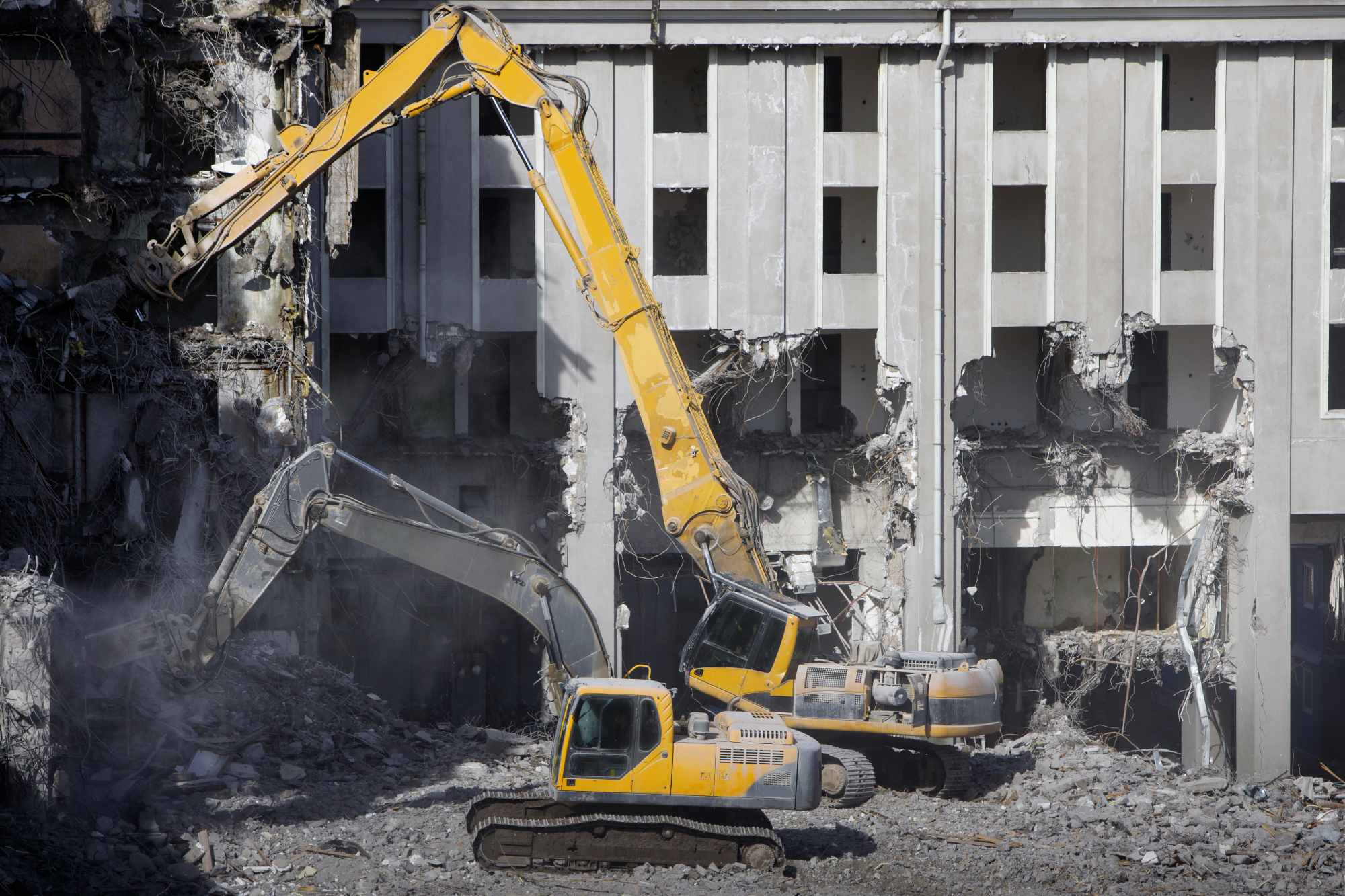
Demolition

Demolition is a vital step in many construction and renovation projects. It requires precision, planning, and adherence to safety regulations. With the right expertise and equipment, a demolition project can be executed efficiently and safely, making it the perfect foundation for new developments or renovations. Whether it’s a small residential building or a large commercial structure, expert demolition services are essential for ensuring the job is done correctly.

The demolition process begins with thorough preparation and site inspection. Every project demands a tailored plan that accounts for the structure's size, complexity, and location. A professional team will assess the risks and take necessary precautions, including securing permits, removing hazardous materials, and determining the most effective demolition method. This level of detail is essential for achieving the desired outcome without causing unnecessary disruptions.

For structures that need to be completely cleared, a controlled demolition method is used. This approach ensures that the building is dismantled in a way that minimizes risks to surrounding structures and the environment. It requires advanced machinery and skilled professionals who can handle complex demolitions with minimal impact. Demolition may involve the use of mechanical equipment, explosives, or manual dismantling, depending on the project’s needs.
Services 2 Image

Strip Outs

Strip outs are an essential part of renovation and redevelopment projects, as they involve the removal of interior elements from a building to prepare for new construction or refurbishments. This process is carried out with the utmost care and precision, ensuring that only the necessary materials are removed while preserving the integrity of the structure itself. Whether you are renovating an office, retail space, or residential property, strip outs help clear the way for a fresh start.

The first step in a strip out is a detailed assessment of the property to determine what needs to be removed. This could include everything from flooring and ceilings to walls, plumbing, and electrical systems. Careful planning is required to ensure that no essential infrastructure is damaged during the removal process, and that hazardous materials like asbestos are identified and safely removed in compliance with health and safety regulations.

Strip out projects can vary in complexity depending on the scale of the property and the extent of the renovation. For smaller-scale projects, such as removing old kitchen fittings or bathroom fixtures, the process may be relatively simple. However, for larger commercial or industrial spaces, extensive work is often required to remove partitions, lighting, plumbing, and HVAC systems, as well as any other installations that need to be replaced or updated.

Services 3 Image

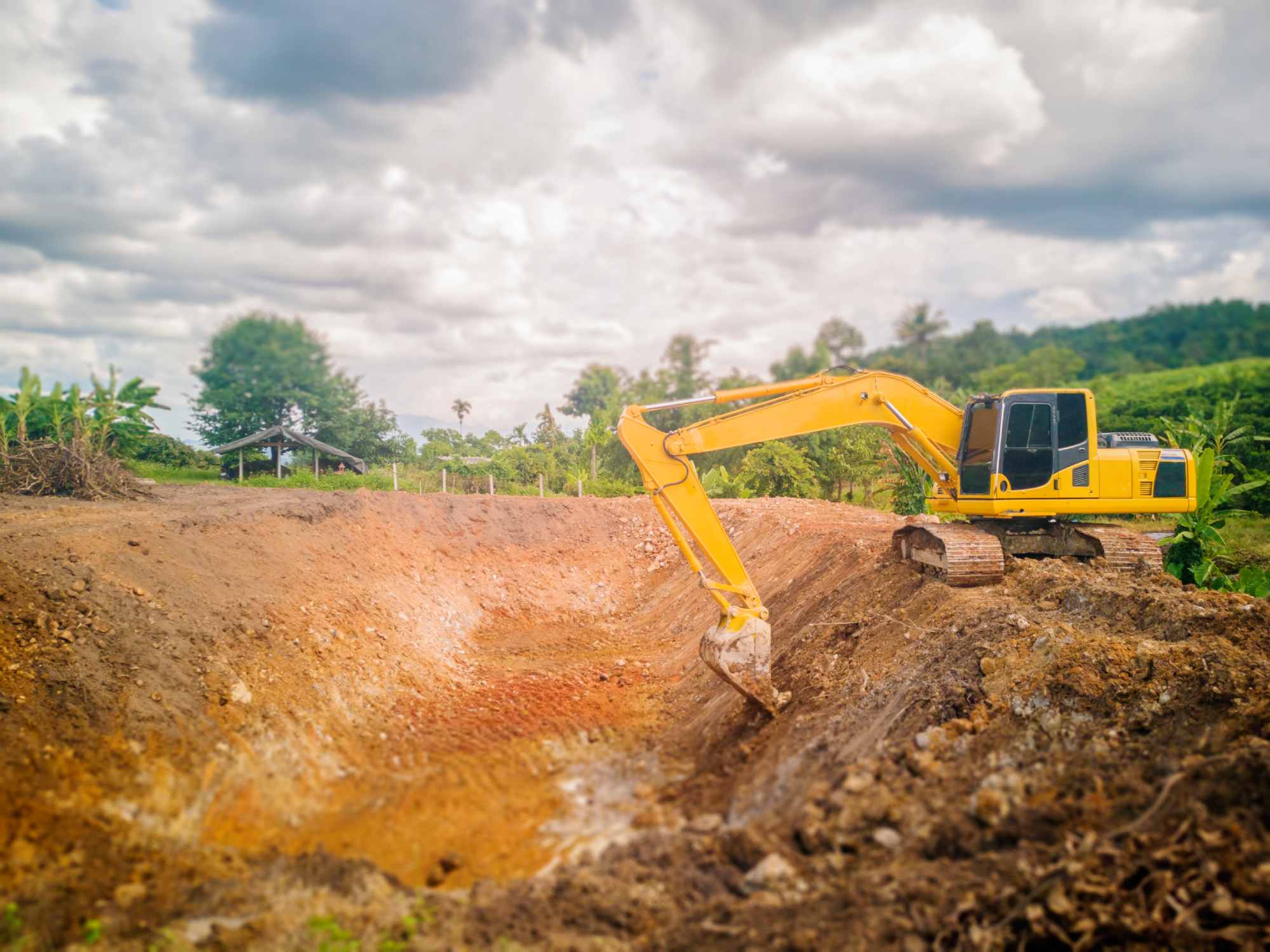
Excavation

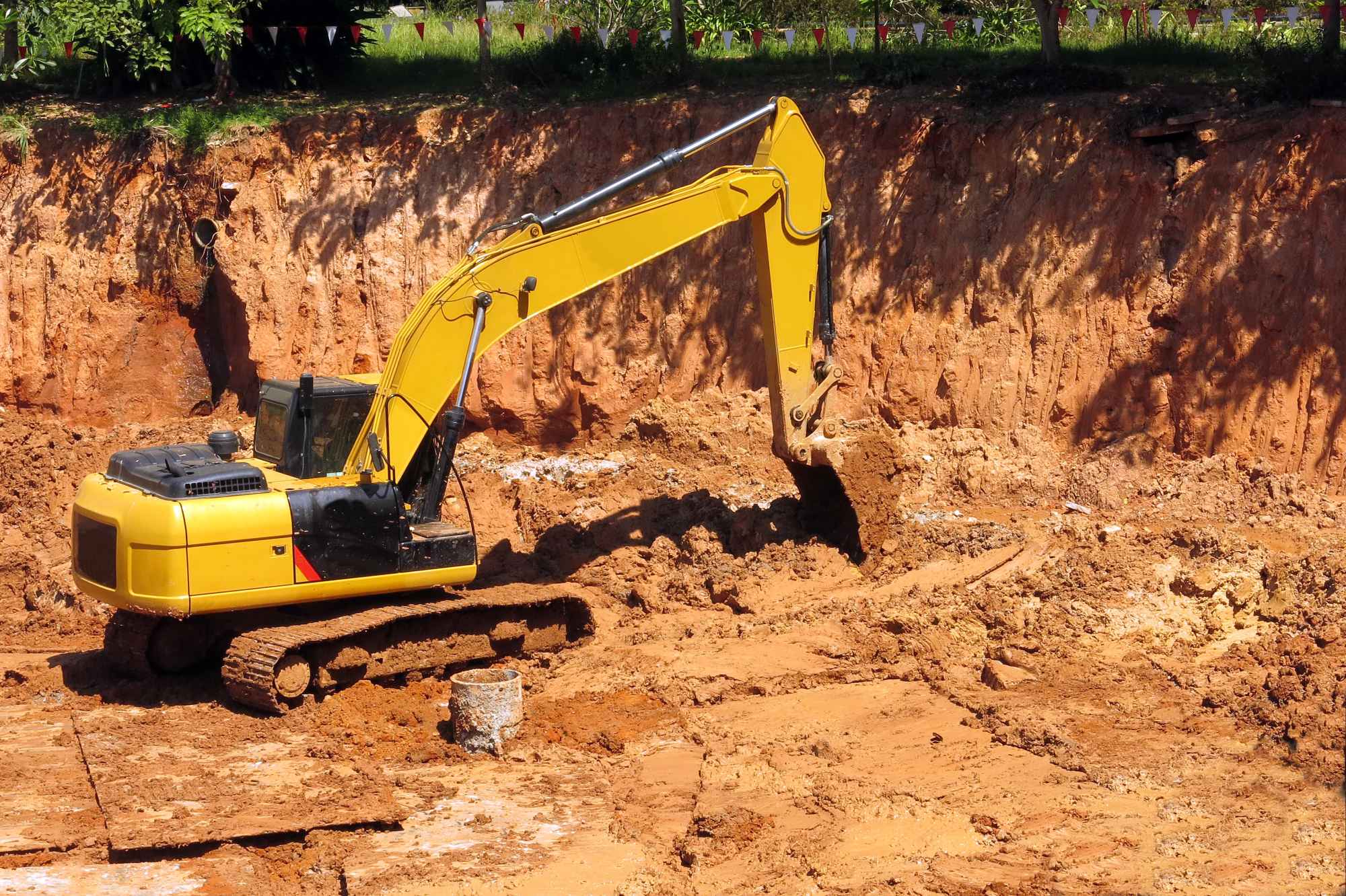
Excavation is a critical process in construction and development, essential for preparing a site for new structures or landscaping. Whether it's digging for foundations, creating trenches for utilities, or clearing land for a new project, excavation plays a key role in ensuring the success of any build. The process requires careful planning and the use of specialized equipment to achieve the desired depth and shape of the excavation.

In most projects, excavation begins with a site survey to assess the land’s condition and identify any obstacles or challenges that might affect the digging process. This could include underground utilities, tree roots, or unstable soil. A thorough evaluation ensures that the excavation is performed safely and efficiently, minimizing any potential disruptions or risks.

The next phase involves the removal of soil, rock, or debris to create a clear, level area for construction. Excavators, bulldozers, and other heavy machinery are used to move large volumes of earth, enabling the creation of foundations, drainage systems, and other essential features. Skilled operators must work with precision to maintain the correct slope, depth, and width of the excavation, ensuring that the site is prepared for the next phase of development.

Services 4 Image

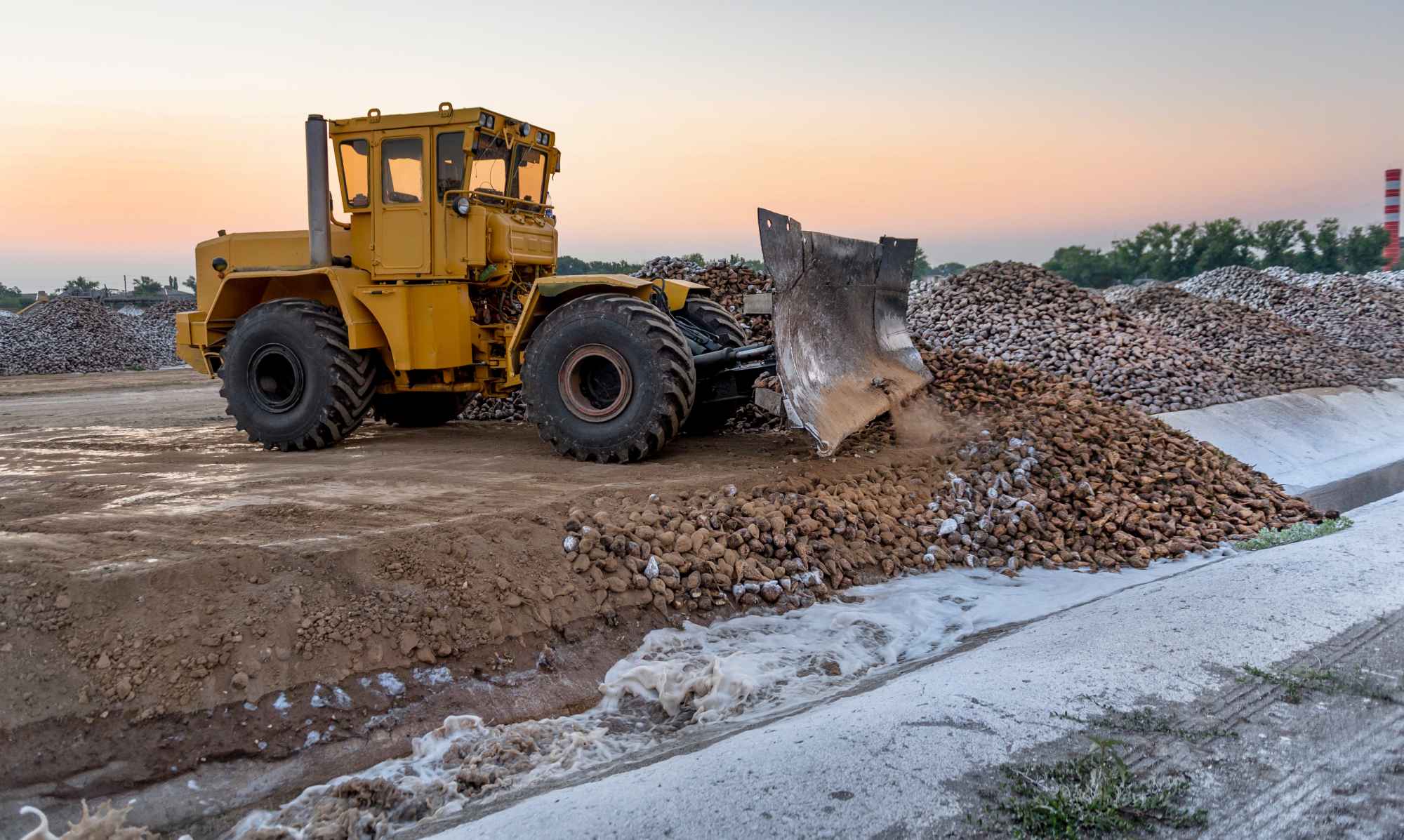
Earth Moving

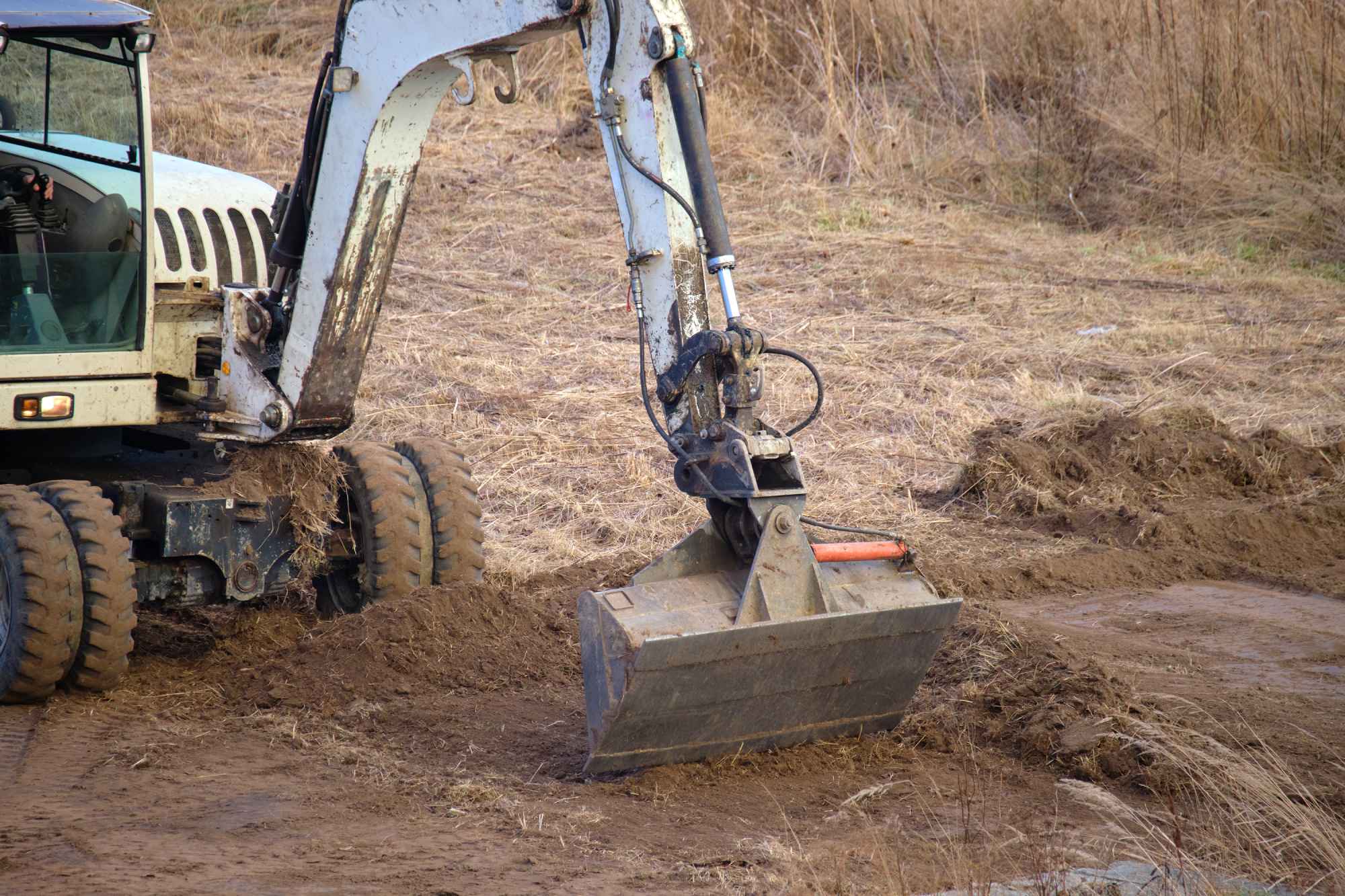
Earth moving is an integral part of many construction and landscaping projects, involving the process of moving large quantities of soil, rock, and other materials from one location to another. It plays a vital role in creating the necessary foundation for new developments, from residential buildings to large-scale commercial sites. By utilizing powerful machinery, earth moving can reshape the landscape to fit specific needs, whether it’s leveling land, preparing for foundations, or clearing a site for new construction.

The earth moving process begins with an assessment of the site to determine the amount of material that needs to be moved and the best approach for the job. Whether the task involves cutting into the earth to create a slope or filling in low areas to level the ground, a detailed plan is developed to ensure the project is completed efficiently and accurately. Heavy-duty machinery such as bulldozers, excavators, and graders are typically employed to carry out the work.

In residential construction, earth moving often involves clearing land for new homes, ensuring that the ground is level and ready for foundation work. This may require the removal of debris, trees, or even rock that could obstruct the building process. The ground must be prepared to ensure proper drainage and to create a stable surface for construction, which is where the expertise of earth moving professionals comes into play.

Services 5 Image

Pool Excavations

Pool excavations are a crucial aspect of creating the perfect backyard oasis or adding a luxurious feature to a commercial property. Whether it’s an in-ground pool for a private residence or a larger pool for recreational or business purposes, excavation forms the foundation of the entire project. This process involves digging and preparing the area where the pool will be constructed, ensuring that the site is properly shaped, leveled, and ready for the next stages of the build.

The first step in any pool excavation is a thorough site inspection. A professional team evaluates the land, noting factors such as soil composition, slope, and access points for machinery. The design and size of the pool are also considered, as these factors will determine the depth and shape of the excavation. Proper planning is essential to avoid unexpected challenges during excavation, such as encountering rock or underground utilities.

Once the site is prepared, the excavation process begins with the careful removal of soil and other materials. This requires specialized equipment like excavators, bobcats, and bulldozers to dig the precise shape and dimensions needed for the pool. The excavation team will carefully dig to the specified depth, ensuring that the pool's base is level and even. Any excess material, such as dirt, rocks, or debris, will be removed from the site for proper disposal.

Services 6 Image

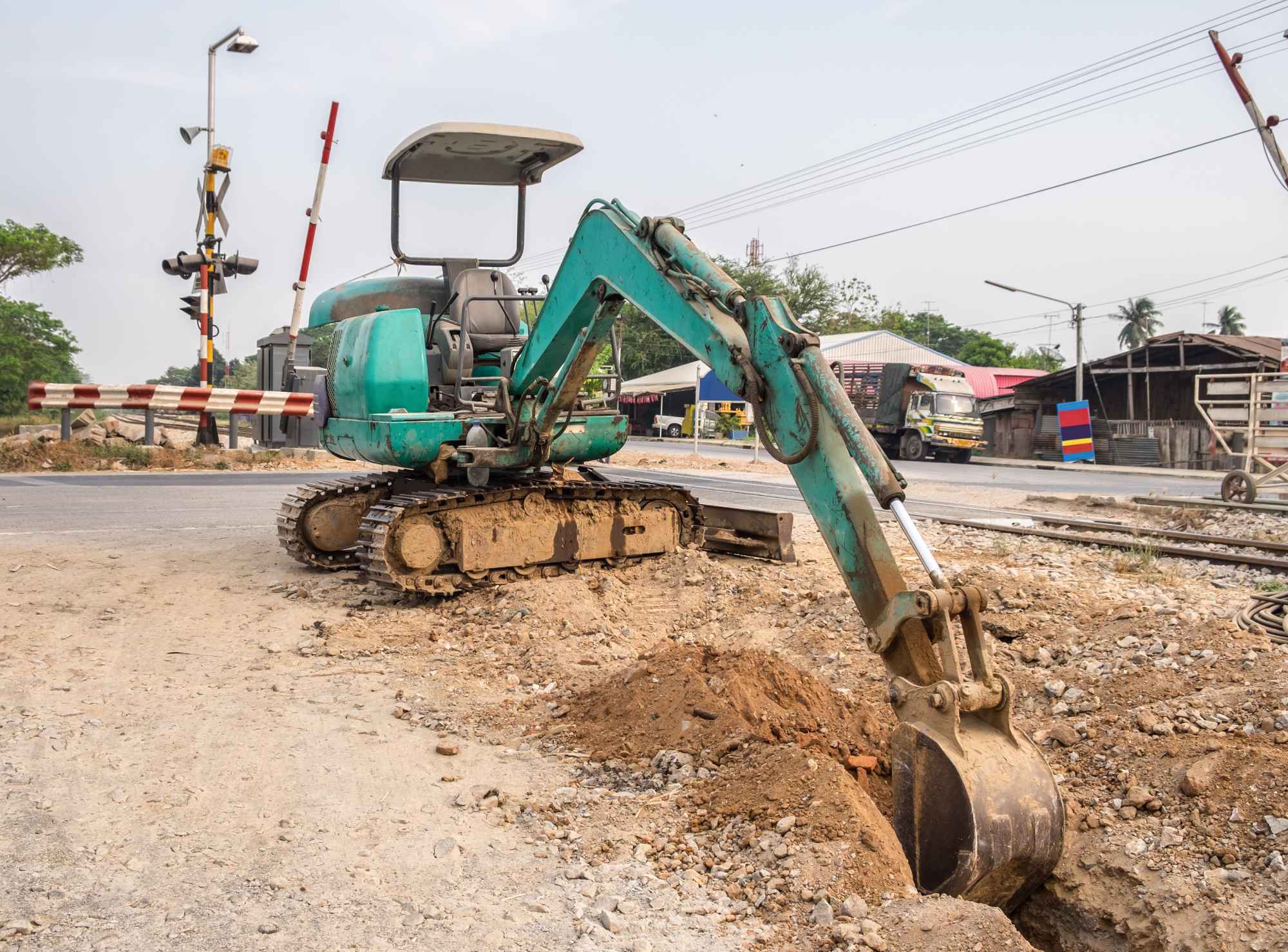
Post Hole Digging

Post hole digging is a fundamental task in construction and landscaping that involves creating deep, narrow holes in the ground to accommodate posts for various structures. From fences and gates to signs and light poles, these holes serve as the foundation for securing vertical structures. While it may seem like a simple job, post hole digging requires precision and attention to detail to ensure that the posts are firmly anchored and the structure is stable.

The process of digging post holes starts with the planning phase, where the size and depth of each hole are determined based on the type of structure being built. For example, fence posts generally require holes that are about one-third of the length of the post, ensuring the post is secure and able to withstand environmental forces like wind or weight. The spacing between holes is also carefully calculated to ensure the posts align correctly and the structure remains strong.

Once the layout is finalized, the digging process begins. Specialized tools such as post hole diggers, augers, or powered machinery are often used, depending on the size and complexity of the project. Hand-held post hole diggers are ideal for smaller jobs and offer precision for tight spaces, while larger augers and machinery are used for bigger projects that require digging through tough soil or rock.